Orlando Storm Damage Cleanup: What Homeowners Should Do First
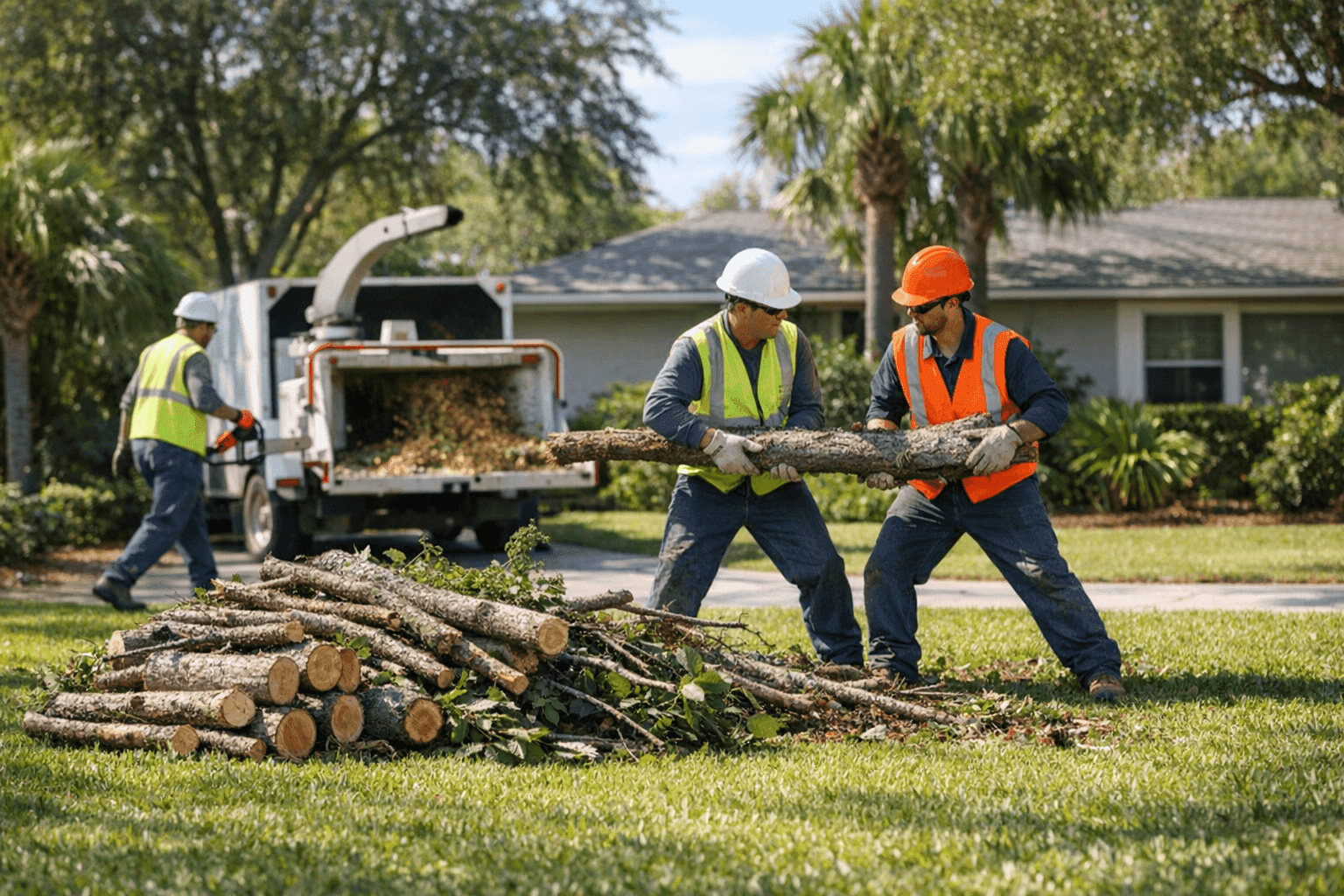
When dark skies finally clear after a storm in Orlando, you step outside to survey the damage. Fallen limbs, uprooted trees, and scattered debris can transform a peaceful yard into a tangled maze. It’s overwhelming—especially knowing summer storms and hurricane winds often leave more than just a mess.
At Orlando Tree Trimmer, we see firsthand how fast things can go from routine to risky. Whether it’s a minor branch or a massive trunk looming over your home, knowing what to do first can save you time, money, and a lot of stress.
Assessing Tree Damage Safely 🌳
Before grabbing your gloves or a saw, pause. Safety comes first. Orlando storms often bring high winds, lightning, and heavy rain—leaving hidden dangers behind.
- Look up before moving close. Hanging branches (“widow-makers”) can fall with the slightest nudge.
- Check for downed power lines. Stay at least 35 feet away. Even if they appear dead, assume they’re live. Contact your utility company immediately.
- Beware of unstable trees. Leaning trunks or exposed roots may signal a tree ready to topple.
- Survey ground hazards. Broken glass, sharp limbs, and slick mud can cause slips or cuts.
Orlando’s subtropical climate means roots loosen easily after heavy rain. Even a healthy-looking tree might be unstable. If you’re ever unsure, err on the side of caution.
Immediate Steps to Prevent Further Risk
Time matters after a storm, but rushing can make things worse. Here’s what you should do right away:
- Photograph all damage. Take wide shots and close-ups. Document everything for your insurance claim.
- Clear safe paths only. Move small limbs that don’t pose a risk. Leave anything heavy or tangled overhead for professionals.
- Cover exposed areas. If a tree punctured your roof, use tarps to prevent water damage—only if it’s safe to do so.
- Mark hazards. Use cones, tape, or even bright towels to warn family or neighbors, especially at night.
Fast action helps, but never risk your health or safety for a quick cleanup.
Common Types of Storm Tree Damage in Orlando
Orlando’s storms are notorious for their unpredictability. Here’s what we commonly see:
- Split trunks or major limbs. Hurricanes and microbursts can snap mature branches like twigs.
- Uprooted or partially fallen trees. Saturated soil loosens roots, especially in clay-heavy Central Florida yards.
- Debris piles. Palmetto fronds, pine needles, and branches can clog drains and gutters, causing secondary flooding.
- Hidden cracks. Some trees look fine but have internal fractures, making them ticking time bombs in your landscape.
According to the University of Florida’s IFAS Extension, post-storm assessment by a certified arborist is recommended for any moderate to severe damage.
Quick Safety Checklist
- Stay at least 35 feet from downed wires.
- Don’t climb trees to inspect damage.
- Avoid using chainsaws without proper experience and PPE.
- Watch for unstable fences, sheds, or playsets hit by falling branches.
- Check local guidance (like Orange County’s emergency management site) for debris pickup schedules and safety advisories.
When to Call a Professional
Some jobs just aren’t worth the risk. Here’s when Orlando homeowners should bring in tree_services pros:
- Large limbs are hanging or tangled overhead.
- A tree is leaning toward your home, pool, or driveway.
- You see root plate lifting or soil heaving.
- Branches are near or touching power lines.
- You hear creaking or cracking noises from trees.
Certified, insured crews have the equipment (cranes, rigging, stump grinders) and training for safe removal. Attempting major work yourself can void insurance or cause serious injury.
Learn more about our Emergency Tree Services in Orlando, FL.
DIY vs. Professional Cleanup: What Should Homeowners Tackle?
You might feel tempted to clear everything yourself. But here’s a simple rule of thumb: If you need both hands or a ladder, call a pro.
Safe for DIY:
- Raking loose twigs and small branches
- Collecting leaves or palm debris from open lawns
- Sweeping off driveways and sidewalks
Not Safe for DIY:
- Cutting or moving anything overhead
- Chainsaw work near tangled limbs or fences
- Removing trees within 10 feet of structures
- Working near electrical hazards
Orlando’s fast-growing trees (like live oak and laurel oak) can weigh hundreds of pounds. Even a small misstep can bring branches crashing down.
What Pros Do On Arrival
When you call Orlando Tree Trimmer, here’s what happens next:
- On-site assessment. We evaluate visible and hidden hazards.
- Safety setup. Crews rope off danger zones and use cranes or lifts if needed.
- Precision cutting. Only trained arborists make critical cuts, ensuring branches fall safely.
- Debris removal. All debris is cleared, and stumps are ground if requested.
- Documentation. Photos and notes help you with insurance, and we can provide a report if needed.
Our team follows OSHA and ANSI A300 safety standards for every job.
Prevention & Maintenance: Reduce Future Storm Damage
While you can’t stop hurricanes, you can prepare your landscape:
- Schedule regular tree trimming. Removing weak limbs reduces wind load.
- Fertilize and water as needed. Healthy trees withstand storms better.
- Install cabling or bracing. Support for mature trees helps them weather high winds.
- Remove hazardous or invasive species. Fast-growing, shallow-rooted trees are more likely to fail.
The University of Florida IFAS Extension recommends annual tree health checks for Orlando area homeowners.
Explore our tree removal and maintenance services for more ways to protect your property.
Costs & Time Factors
Every storm is different, and so is every cleanup. Here’s what influences the process:
- Extent of damage. More trees or large trunks take longer to clear.
- Access. Fenced yards, pools, or narrow driveways may require extra equipment.
- Power outages or road closures. During city-wide events, emergency response may be delayed.
- Insurance involvement. Some claims require documentation or pre-approval.
Minor cleanup (small limbs) might take a few hours. Large-scale removal can span several days, especially if cranes are required. Costs vary depending on tree size, location, and hazard—always request a written estimate.
When It’s an Emergency 🚨
Certain situations can’t wait:
- Trees blocking exits or driveways
- Major limbs through the roof or windows
- Trees tangled in live wires
- Any tree threatening a structure or safety
In Orlando, rapid response is key—especially after hurricanes, when mold and further property damage can set in within hours. Always call for Emergency Tree Services in Orlando, FL if you’re unsure.
Frequently Asked Questions
How soon should I contact my insurance company?
As soon as you safely can. Take photos and notes, and call them before major cleanup so they can verify damages.
What should I do if a neighbor’s tree falls onto my property?
Document the damage, contact your insurer, and speak with your neighbor. Most policies cover only the damage to your property.
Will the city pick up all debris?
Orlando and Orange County offer storm debris pickup, but only for yard waste at the curb. Contractors must remove large trunks or non-standard debris.
Can I replant after a tree is removed?
Yes—native species like live oak or sabal palm are resilient choices. Proper planting and placement reduce future risk.
Local & Seasonal Considerations for Orlando Homeowners
- Hurricane season (June–November): Prepare early by trimming trees and checking for hazards.
- Afternoon thunderstorms: Summer storms can bring microbursts and lightning, even outside hurricane season.
- Humidity and pests: Downed limbs attract beetles, termites, and mold. Quick cleanup prevents infestations.
- HOA and city guidelines: Some neighborhoods require prompt debris removal and permit approval for certain tree work.
Check with the City of Orlando for updates on debris pickup and emergency management resources.
Related Services
For urgent help, explore our storm damage cleanup or emergency tree services.
When storms strike, fast, safe action makes all the difference. Orlando Tree Trimmer is here to help—whether you need advice, emergency removal, or a long-term plan to keep your landscape strong.
Call Orlando Tree Trimmer now — or reach us anytime at (407) 871-3235 .